



Cloves (Syzygium aromaticum, syn. Eugenia caryophyllata)
Description
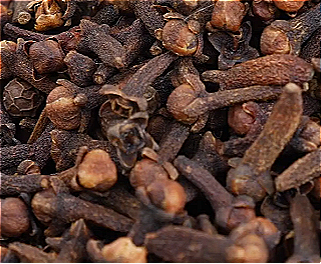
Spice made from the unopened flower buds of the clove tree, harvested pre-bloom, then dried to a reddish-brown and sold whole (cloves), ground, as oleoresin, or essential oil.
Sensory profile: warm, sweet-balsamic, slightly peppery aroma with a hallmark eugenol note and mild oral numbing; high intensity and long persistence.
Caloric value (per 100 g)
Ground spice: about 270–290 kcal/100 g; mostly carbohydrates and fiber, with modest fat and protein.
Per teaspoon (~2 g ground): ~5–6 kcal (typical spice-level use).
Key constituents
Volatile oil in buds ~10–20%: mainly eugenol (~70–90% of the volatile fraction), eugenyl acetate, β-caryophyllene, and minor terpenes.
Polyphenols (tannins), phenolic acids, flavonoids with notable antioxidant capacity; manganese is the standout mineral.
Oleoresin: lipophilic extract concentrating non-volatile aromatics that fix and round the flavour.
Production process
Harvest immature buds → withering/drying (sun or warm air) to target moisture → cleaning, grading (whole buds, heads, stems).
Low-temperature milling for ground spice; steam distillation for essential oil; food-grade solvent extraction for oleoresin → standardisation.
Decontamination options: steam or irradiation (where permitted); avoid non-compliant ETO residues.
Sensory and technological properties
Very high flavouring power: easily dominates blends → use low dosages and control infusion time.
Stability: essential oil is sensitive to light/oxygen/heat; whole cloves protect volatiles better than ground.
Functionality: antioxidant and antimicrobial effects (linked to eugenol) aid marinades and pickles; brown hue may darken pale foods.
Food applications
Spice blends: garam masala, baharat, Chinese five spice, pumpkin spice.
Sweet/bakery: gingerbread, cookies, spice breads, compotes and jams.
Beverages: mulled wine, chai, infusions, syrups.
Savory: stews, curries, pilaf rice, marinades, pickles/condiments.
Extracts: oleoresin for sauces/condiments; essential oil only in micro-doses with proper dilution.
Nutrition and health
Culinary amounts are small; contribute antioxidants and manganese.
Eugenol: sensory/antimicrobial actions; excess may cause oral irritation or nausea.
Interactions: caution with anticoagulant/antiplatelet therapies and during pregnancy/lactation for essential oil use; follow good practice.
Fat profile
Not nutritionally relevant for whole/ground spice; oleoresin/essential oil contain lipophilic and volatile fractions used for aroma, not lipid intake.
Quality and specifications (typical topics)
Moisture ≤ ~12% (whole buds).
Volatile oil (steam distillation): buds often ≥ ~15 mL/100 g; eugenol used as marker.
Low defects/foreign matter; microbial specs appropriate for spices (apply post-harvest treatment as needed).
Pesticides/heavy metals within limits; granulation uniform for ground spice; low aw.
Storage and shelf life
Store dark, airtight, cool/dry; avoid light, heat, and oxygen.
Shelf life: whole 24–36 months; ground 12–18 months; oils/oleoresins typically shorter (follow supplier specs).
Allergens and safety
Naturally gluten-free; not among major allergens; rare idiosyncratic sensitivities possible.
Essential oil is concentrated: always dilute, not for direct ingestion; avoid pediatric use without professional guidance.
INCI functions in cosmetics
INCI: Syzygium Aromaticum (Clove) Bud Oil, Leaf Oil, Flower Oil, Clove Extract, Eugenol.
Roles: fragrance, masking, antimicrobial/soothing in oral-care and topical products; observe fragrance allergen and usage limits.
Troubleshooting
Bitter/metallic or astringent notes: overdose or over-extraction → reduce dose/time; add fat or sugar to round edges.
Aroma loss: aged ground spice → prefer whole buds and grind fresh.
Undesired darkening: use brief infusion or spice sachets for early removal.
Medicinal/pungent profile too strong: replace part with allspice or cinnamon for a softer blend.
Sustainability and supply chain
Grown in the tropics (e.g., Indonesia, Madagascar, Tanzania, Sri Lanka, India); monitor social standards and residues.
Prefer traceability and responsible schemes; operate under GMP/HACCP; manage effluents toward BOD/COD targets; use opaque/recyclable packaging.
Labelling
Common names: “cloves”, “ground cloves”; extracts: “clove oleoresin”, “clove essential oil”.
In ingredient lists, can appear as “spices” or “natural flavours” where permitted by regulation and recipe.
Conclusion
Clove is a high-impact, complex spice that structures both sweet and savoury dishes at very low doses. Careful control of form (whole vs. ground), extraction time, and storage maximises freshness, safety, and sensory consistency.
Mini-glossary
Eugenol — Key phenylpropanoid behind clove’s character; contributes pungency and antimicrobial action.
Oleoresin — Lipophilic extract concentrating volatile and non-volatile spice components for full and persistent flavour.
GMP/HACCP — Good manufacturing practice / hazard analysis and critical control points: preventive hygiene systems with validated CCPs.
BOD/COD — Biochemical/chemical oxygen demand: indicators of wastewater impact during processing.
Studies
In traditional medicine, they have traditionally been used to treat various disorders such as diabetes, diarrhea, reproductive problems and respiratory disorders (1).
Recent studies have shown its antibacterial efficacy (2).
The essential oil of cloves showed genoprotective effects (3).
Other plants of the Syzygium species that have shown healing properties:
- Syzygium cumini L.
- Syzygium polyanthum (Wight.)
- Syzygium malaccense
- Syzygium brazzavillense
- Syzygium formosum (Wall.)
- Syzygium polyanthum
- Syzygium paniculatum Gaertn.
- Syzygium guineense

