



Vervain (Verbena officinalis L.) is a perennial plant belonging to the Verbenaceae family and grows in Europe, Asia in mostly uncultivated land near water.
It can reach a height of 1 meter and has a pale purple coloration.
Widely used in traditional medicine for depression, fever, insomnia, cough, asthma and more.
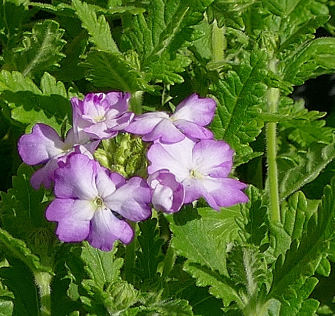
The constituents are numerous and include :
- Verbenin
- Verbenalin
- Alpha-sitosterol
- Ursolic acid, a hydroxy acid (1)
- Oleanoic acid, a monounsaturated fat (1)
- Limonene (3)
- Cineol
- Kaempferol (2)
- Luteolin (2)
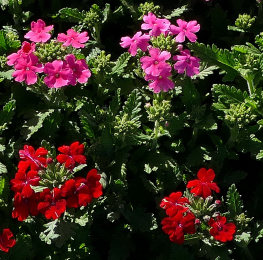
Verbena litoralis Kunth, is used in folk medicine in China, South and Central America.
Verbena gratissima or Aloysia gratissima, grows in Brazil and an essential oil used in medicine is obtained.
Other Verbenaceae :
Verbena rigida L., Verbena tenera Spreng., Verbena venosa L., have been studied for their flavonoid content (4).
Verbena brasiliensis Vell. is native to South America and is also found in Japan. It has antioxidant properties (5).
- Verbena glandularia, of Canadian origin.
- Verbena Junellia.
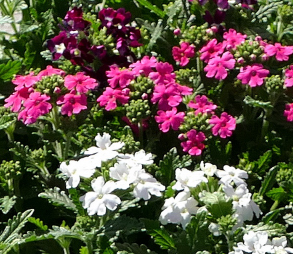
Distribution. Common Vervain is native to Europe and Asia but can be found in many parts of the world due to its popularity as an ornamental and medicinal plant.
Morphology.
- Size: This plant can grow up to heights of around 60-100 cm.
- Leaves: The leaves are lanceolate and opposite, with serrated edges.
- Flowers: It produces lilac or pale purple spike-like inflorescences.
- Medicinal Properties. Historically, Common Vervain has been used for various medicinal properties, including calming, diuretic, and anti-inflammatory purposes.
Life Cycle. Being a perennial plant, it can live for several years. It typically flowers during the summer.
Dietary Habits. Like many other plants, it derives nutrients from the soil through its roots.
Conservation Status. Common Vervain is generally widespread and is not considered endangered.

