

|

|
| App | Log in |
|
|
|
| App | Log in |

 | "Descrizione" by Handy23 (4244 pt) | 2025-Nov-30 10:48 |
Review Consensus: 8 Rating: 8 Number of users: 1
| Evaluation | N. Experts | Evaluation | N. Experts |
|---|---|---|---|
| 1 | 6 | ||
| 2 | 7 | ||
| 3 | 8 | ||
| 4 | 9 | ||
| 5 | 10 |
Golden raisins (Vitis vinifera)
Description
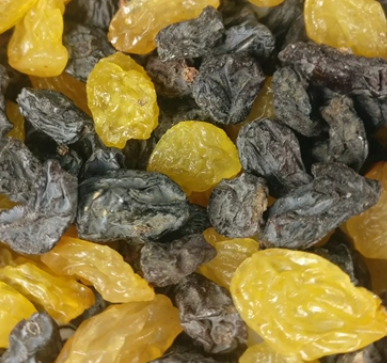
Golden raisins (Raisins) are dried grapes obtained by dehydrating selected berries of Vitis vinifera, typically small, thin-skinned and naturally sweet. The drying process removes most of the water and concentrates sugars, minerals, fibre and bioactive compounds, turning fresh grapes into a much more energy-dense food. Raisins range in colour from golden yellow to light brown and dark brown, depending on the grape variety and drying method (sun-drying, shade-drying or hot-air drying, with or without sulphur dioxide treatment). They have a wrinkled appearance, soft and slightly chewy texture, very sweet taste and intense fruity aroma. Widely used in bakery products, breakfast cereals, snack mixes and traditional sweet-and-savoury dishes, raisins are valued as a quick source of energy, potassium, fibre and phenolic compounds, but require portion control because of their high sugar content.
Indicative nutritional values per 100 g (raisins)
(Average values; may vary by variety and drying method.)
Energy: ~290–310 kcal
Water: ~15–20 g
Protein: ~2.5–3.5 g
Total carbohydrates: ~70–78 g
Sugars (glucose, fructose, sucrose): ~60–70 g
Dietary fibre: ~4–7 g
Total fat: ~0.4–0.6 g
First occurrence of lipid acronyms: SFA (saturated fatty acids, which should be limited in the overall diet), MUFA (monounsaturated fatty acids, generally favourable when they replace saturates), PUFA (polyunsaturated fatty acids, important in inflammatory balance and cardiovascular health).
sfa: ~0.1 g
mufa: ~0.05–0.1 g
pufa: ~0.15–0.2 g
Minerals (typical ranges)
Potassium: ~700–800 mg
Calcium: ~40–60 mg
Phosphorus: ~90–110 mg
Magnesium: ~30–40 mg
Iron: ~1–2 mg
Vitamins and bioactives
Small amounts of B-group vitamins (B1, B2, B6)
Some vitamin K
Phenolic compounds (phenolic acids, flavonoids, tannins, variable amounts of stilbenes such as resveratrol)
Key constituents
Concentrated simple carbohydrates (glucose, fructose, sucrose)
Dietary fibre (mainly insoluble, with a soluble/prebiotic fraction)
Minerals: especially potassium, plus phosphorus, calcium, magnesium, iron and trace elements
Polyphenols: phenolic acids, flavonols, proanthocyanidins and other grape-derived antioxidants
Trace lipids, predominantly mufa and pufa with small amounts of sfa
Organic acids (tartaric, malic and others in small amounts)
In some products, sulphur dioxide or sulphites used as preservatives and colour stabilisers
Production process
Raw material selection
High-sugar, thin-skinned grape varieties with good drying behaviour.
Seedless (seedless sultanas, Thompson seedless, etc.) often preferred, though seeded types also exist.
Preparation
Harvest at full maturity to ensure adequate sugar content.
Optional washing and destemming.
In some processes, pre-treatment with dilute alkaline solutions or emulsified oils to crack the waxy cuticle and speed up drying.
Optional sulphur dioxide treatment to preserve a light colour (golden raisins) and inhibit microbial growth.
Drying
Traditional sun-drying on racks or mats in suitable climates.
Controlled hot-air drying in tunnels or chambers, with regulated time and temperature.
Adjustment of final moisture content to guarantee microbiological stability and typical soft–chewy texture.
Post-drying handling
Removal of stems and foreign matter, screening and grading by size.
Possible light oiling (e.g. with vegetable oil) to improve flow properties and reduce clumping.
Packaging in bags, boxes or protective atmospheres.
Physical properties
Small, wrinkled berries, oval or round.
Colour from golden yellow to medium and dark brown, sometimes almost black.
Soft, chewy, slightly elastic texture; can harden over time if stored poorly or for long periods.
Low water activity compared with fresh fruit, but high enough to maintain some softness.
Stable at ambient temperature if humidity and packaging are well controlled.
Sensory and technological properties
Flavour
Very sweet, with notes of honey, caramel and ripe fruit; slight residual acidity in some varieties.
Aroma
Intense fruity aroma reminiscent of ripe grapes, must and dried fruit; darker raisins may show more molasses or toasted notes.
Texture
Chewy and juicy; perception of skin and seeds (if present) depends on type and processing.
Technological functions
Strong natural sweetness, useful to reduce added sugars in some formulations.
Contributes moisture retention and softness in bakery products (breads, cakes, bars).
Provides visible inclusions, colour contrast and a perception of richness in finished products.
Influences water activity and shelf-life of composite foods, depending on proportion and formulation.
Food applications
Direct consumption
As a snack on its own or in nut-and-fruit mixes.
Ingredient in trail mixes, energy bars, muesli and granola.
Bakery and confectionery
Panettones, fruit breads, buns, cakes, cookies and sweet focaccias.
Sweet rolls, pastries and dessert fillings.
Savouredishes
Added to rice, couscous, bulgur and other grain dishes.
Used in sweet-and-sour preparations, mixed salads, Middle Eastern, North African, Mediterranean and Indian dishes.
Other uses
Topping or inclusion in yogurt, porridge and fermented dairy products.
Ready-to-bake mixes, festive products and seasonal specialties.
Nutrition and health
Energy and sugars
High energy density and high sugar content make raisins useful when energy needs are increased (endurance sports, hiking) but call for portion control in weight-management or diabetes.
Dietary fibre
Provides a moderate amount of fibre, supporting intestinal regularity, satiety and modulation of postprandial glycaemia when eaten in small portions within balanced meals.
Micronutrients
Good source of potassium, helping electrolyte balance and normal muscle function.
Contributions of iron, calcium, magnesium and phosphorus that support bone health and energy metabolism.
Bioactive compounds
Polyphenols and other antioxidants can support defence against oxidative stress as part of a plant-rich diet.
Fats
Overall low fat content, with a predominance of unsaturated fatty acids (mufa, pufa) and very little sfa, so the impact on the overall fat profile of the diet is limited.
Portion note
Indicative portion: about 25–30 g (roughly 1–2 heaped tablespoons), to be adjusted according to dietary context, total energy intake and presence of other sources of simple sugars.
Allergens and intolerances
Raisins are not among the major mandatory allergens, but reactions may occur in individuals allergic to grapes or specific grape components.
In sensitive people, sulphites (if present as preservatives) can trigger respiratory symptoms (e.g. in some asthmatics), headaches or other intolerance-type reactions.
Cross-contamination with nuts or other allergens may occur in mixed-processing facilities; such information should be checked on labels.
Storage and shelf-life
Store in a cool, dry place, protected from light and heat sources.
Reseal packages carefully after opening to avoid moisture uptake and mould growth.
Typical shelf-life: several months up to about 12–18 months for industrially packed products, according to best-before date.
During extended storage, raisins may harden; brief rehydration in warm water or other liquids can restore softness before use.
Safety and regulatory aspects
Raisins are considered safe in traditional food use.
Subject to controls for pesticide residues, mycotoxins (e.g. ochratoxin A), microbiological contaminants and heavy metals.
Use of sulphur dioxide/sulphites is regulated with maximum levels and mandatory declaration on labels above defined thresholds.
Nutrition claims such as “source of fibre” or “source of potassium” are allowed only if compositional criteria per 100 g or per serving are met.
Labelling
Typical names: “raisins”, “sultanas”, “dried grapes”, “golden raisins”, “seedless raisins”.
Mandatory information: product name, ingredient list (grapes, possible vegetable-coating oils, sulphur dioxide/sulphites and other additives), net weight, batch code, best-before/expiry date, storage conditions.
Allergens (e.g. sulphites, and any nut traces) must be highlighted according to local regulations.
Troubleshooting
Raisins too hard or dry
Causes: very intense drying, prolonged storage or exposure to air.
Solutions: rehydrate briefly in warm water, juice, tea or liqueur; use in baked products where they will soften during cooking.
Sugar crystals on the surface
Natural migration and crystallisation of sugars.
Not a safety issue but can affect mouthfeel; controlled humidity and temperature help reduce this phenomenon.
Mouldy or rancid off-flavours
Causes: storage in humid or warm environments, damaged packaging, fungal contamination or oxidation.
Solution: discard the product; do not consume raisins with visible mould, unpleasant odour or abnormal texture.
Raisins sinking in cake batters
Causes: high density and insufficient batter viscosity.
Solutions: lightly flour raisins before mixing, reduce batter fluidity or adjust mixing stage to improve suspension.
Sustainability and supply chain
Raisin production valorises grapes destined for processing and surplus fruit, helping reduce food waste.
Sun-drying minimises energy use but requires careful hygiene and weather conditions; hot-air drying allows greater control at higher energy cost.
Integrated or organic viticulture can reduce pesticide use and improve environmental performance of the grape sector.
Processing by-products (stems, rejected berries) can be used for animal feed, composting or bioenergy, supporting circular-economy models.
Main INCI functions (cosmetics)
(For ingredients such as Vitis Vinifera (Grape) Fruit Extract, Vitis Vinifera (Grape) Fruit Powder, which may also be derived from dried grapes.)
Antioxidant: polyphenols (flavonoids, tannins, stilbenes) help protect against oxidative stress and support formulation stability.
Skin conditioning: fruit extracts can help keep skin smooth and soft thanks to sugars, organic acids and water-soluble components.
Mild humectant: natural sugars and hydrophilic substances contribute to water retention in the stratum corneum.
Light fragrance/flavour: provide gentle fruity notes in body- and hair-care products, and in some lip-care products.
Conclusion
Raisins are a traditional, highly versatile ingredient that concentrates, in a small volume, energy, sugars, fibre, potassium and grape-derived phenolic compounds. They are particularly useful when rapid energy and palatability are desired, or when bakery products, snacks and sweet or sweet-and-savoury dishes need both functional and sensory enrichment. At the same time, the high sugar content means portions must be controlled, especially in weight management and metabolic disorders. Within a varied, balanced diet, small amounts of raisins can enhance taste, texture and the intake of fibre and certain micronutrients. In cosmetics, grape-based extracts (including those derived from dried fruit) are mainly appreciated for antioxidant and skin-conditioning properties. When produced within well-managed supply chains, raisins represent a good example of value-adding processing that combines raw-material valorisation, waste reduction and strong sensory appeal.
Studies
Raisin has about 330 calories, contains fiber, sugar, magnesium, potassium and traces of iron. It also contains flavonoids (catechins, quercetins, kaempferol and rutin), traces of epicatechins and resveratrol (1).
However, the beneficial effects of the raisin are rather discordant.
This study (in vitro) attributes antioxidant and anti-inflammatory activity to the methanolic extract of two Greek raisin species (Corinthian e Sultanas) that have demonstrated in vitro preventive efficacy on colon cancer cells (2).
This other 3-month study by researchers at the University of Florida found no significant improvement and concludes that "Future studies need to include well-defined health outcomes to establish if the microbial changes resulting from raisin intake correlate with health benefits." (3).
However, raisin has a moderate glycemic index and a low insulin index so it has the potential to reduce the risk of developing diabetes or cardiovascular risks (4).
During processing, raisins can be treated with sulphites (sulphur dioxide) to extend its shelf life. Some people may be allergic to it, especially asthma sufferers.
Be careful not to let pets swallow it as they could have serious digestive problems (5).
Mini-glossary
SFA – Saturated fatty acids; fats that, when consumed in excess, are associated with raised LDL (“bad”) cholesterol and increased cardiovascular risk.
MUFA – Monounsaturated fatty acids; fats that can improve blood lipid profiles when they replace saturated fats in the diet.
PUFA – Polyunsaturated fatty acids; include omega-3 and omega-6 families, important for cell membranes, inflammation modulation and cardiovascular health.
INCI – International Nomenclature of Cosmetic Ingredients; the international system used to name cosmetic ingredients on product labels.
References______________________________________________________________________
(1) Fulgoni VL 3rd, Painter J, Carughi A. Association of raisin and raisin-containing food consumption with nutrient intake and diet quality in US children: NHANES 2001-2012. Food Sci Nutr. 2018 Oct 15;6(8):2162-2169. doi: 10.1002/fsn3.780.
Abstract. Background: Raisins are a commonly consumed dried fruit and given their nutrient profile may offer nutritional and health benefits. Objective: To examine the association between consumption of raisins and raisin-containing foods with nutrient intake and dietary quality in children. Methods: National Health and Nutrition Examination Survey (NHANES) data for 2001-2012 in those 2-18 years of age (n = 20,175) were used. Consumers of raisins (n = 154, 51.6% female) and raisin-containing foods (n = 1,993, 52.5% female) were defined as reporting any consumption of raisins and raisin-containing foods, respectively, during the first 24-hr diet recall. Diet quality was assessed using the Healthy Eating Index (HEI)-2010. Regression analyses were conducted comparing consumers and nonconsumers using appropriate sample weights and adjusted for demographic and lifestyle covariates with significance set at p < 0.01. Results: Regarding "nutrients of public health concern/shortfall nutrients" and "nutrients to limit," raisin consumers had higher intakes of dietary fiber (23%), potassium (16%), magnesium (12%) with lower intakes of added sugars (-19%) than nonconsumers. Similarly, consumers of raisin-containing foods also had higher intakes of dietary fiber (15%), potassium (5%), magnesium (11%), iron (6%), vitamin A (10%), and vitamin E (13%) and lower intake of sodium (-5%). Consumers of raisin and raisin-containing foods had higher intakes of fruits (60%, 16%, respectively), whole fruits (119%, 23%, respectively) and whole grains (44%, 93%, respectively) and had a better diet quality as per higher total HEI 2010 scores (22%, 8%, respectively) than nonconsumers. Conclusion: In conclusion, consumption of raisins or raisin-containing foods was associated with better nutrient intake and diet quality in American children.
(2) Kountouri AM, Gioxari A, Karvela E, Kaliora AC, Karvelas M, Karathanos VT. Chemopreventive properties of raisins originating from Greece in colon cancer cells. Food Funct. 2013 Feb 26;4(3):366-72. doi: 10.1039/c2fo30259d.
Abstract. Colorectal cancer is one of the major causes of cancer-related mortality in humans in both developed and developing countries. Dietary patterns influence the risk of colon cancer development, while plant-derived foods have gained great interest, due to the high content of antioxidants. Corinthian raisins (Currants, CR) and Sultanas (S) (Vitis vinifera L., Vitaceae) are dried vine fruits produced in Greece with many culinary uses in both the Mediterranean and the Western nutrition. In the present study, we investigated the effects of CR and S on human colon cancer cells. Methanol extracts of CR and S were used at different concentrations. The total polyphenol content and anti-radical activity were measured by Folin-Ciocalteu and DPPH, respectively. Antioxidant, anti-inflammatory and anti-proliferative effects on HT29 cell culture were evaluated. All extracts exhibited DPPH˙ scavenging activity in a dose-dependent manner. Both products suppressed cell proliferation, while the levels of glutathione and cyclooxygenase 2 were significantly decreased. A significant reduction in IL-8 levels and NF-kappaB p65 activation was also observed. Both antioxidant and anti-inflammatory effects were dependent on the duration of exposure. Results indicate that the methanol extracts of CR and S exhibit anti-radical activity in vitro, as well as cancer preventive efficacy on colon cancer cells, with S having slightly higher activity. The beneficial properties of these unique dried grapes are attributed to their high content of phenolic compounds.
(3) Wijayabahu AT, Waugh SG, Ukhanova M, Mai V. Dietary raisin intake has limited effect on gut microbiota composition in adult volunteers. Nutr J. 2019 Mar 7;18(1):14. doi: 10.1186/s12937-019-0439-1
Abstract. Background: Dried fruits, such as raisins, contain phytochemicals and dietary fibers that contribute to maintaining health, potentially at least partially through modification in gut microbiota composition and activities. However, the effects of raisin consumption on gut microbiota have not previously been thoroughly investigated in humans. Therefore, the objective of this study was to determine how adding three servings of sun dried raisin/day to the diet of healthy volunteers affects gut microbiota composition. Methods: A 14-day exploratory feeding study was conducted with thirteen healthy individuals between the ages of 18 and 59 years. Participants consumed three servings (28.3 g each) of sun dried raisins daily. Fecal samples were collected prior to raisin consumption (baseline) and after the addition of raisins to the diet (on days 7 and 14). To determine the effects of raisin intake, fecal microbiota composition before and after raisin consumption was characterized for each participant by 16S rRNA gene sequencing. Results: Overall microbiota diversity was not significantly affected by adding raisins to the diet. However, upon addition of raisins to the diet specific OTUs matching Faecalibacterium prausnitzii, Bacteroidetes sp. and Ruminococcus sp. increased in prevalence while OTUs closest to Klebsiella sp., Prevotella sp. and Bifidobacterium spp. decreased. Conclusion: Our findings suggest that adding raisins to the diet can affect the prevalence of specific bacterial taxa. Potential health benefits of the observed microbiota changes should be determined in future studies in populations for which specific health outcomes can be targeted. Trial registration: http://www.clinicaltrials.gov ; Identifier: NCT02713165 .
(4) Anderson JW, Waters AR. Raisin consumption by humans: effects on glycemia and insulinemia and cardiovascular risk factors. J Food Sci. 2013 Jun;78 Suppl 1:A11-7. doi: 10.1111/1750-3841.12071.
(5) Stanley SW, Langston CE. Hemodialysis in a dog with acute renal failure from currant toxicity. Can Vet J. 2008 Jan;49(1):63-6.
Abstract. A 3 1/2-year-old Labrador retriever being presented for acute onset vomiting and lethargy was diagnosed with acute renal failure (ARF). The dog had ingested dried currants, a type of raisin. Hemodialysis was successfully performed to treat the ARE Raisin toxicity can cause ARF and warrants early recognition and aggressive treatment.
Elwood S, Whatling C. Grape toxicity in dogs. Vet Rec. 2006 Apr 8;158(14):492. doi: 10.1136/vr.158.14.492.

