



Rye (Secale cereale L.)
Description
Secale cereale L., commonly known as rye, is a cereal species of the family Poaceae, tribe Triticeae, the same group that includes wheat and barley. It is an annual crop with autumn–winter or spring growth cycles and is notable for its high agronomic hardiness: it tolerates cold climates, poor and sandy or acidic soils, and various environmental stresses. For these reasons, it has historically been widespread in Central and Northern Europe and in mountain or marginal areas.
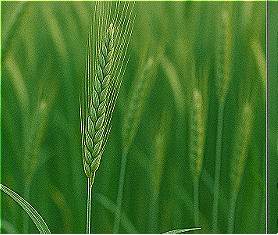
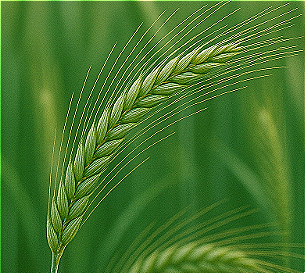
The plant has an erect, hollow stem, usually 1–2 m high, with relatively few but robust culms, elongated internodes and a deep, fibrous root system capable of exploring lower soil layers. Leaves are narrow, linear, bluish-green, with a somewhat rough surface. The inflorescence is an elongated spike, with lateral spikelets each carrying 2–3 fertile florets. The caryopses (grains) are elongated, with a marked ventral groove and a colour ranging from yellow-brown to greyish.
Agronomically, Secale cereale is used both as a grain cereal (rye bread, flours, flakes, baked products) and as forage or cover crop to control erosion, take up excess soil nitrogen and suppress weeds. Rye grain differs from many other cereals by a high dietary fibre content, moderate protein level and the presence of specific bioactive components (e.g. arabinoxylans, β-glucans, alkylresorcinols, phenolic compounds).
From a technological standpoint, rye flour contains gluten that is quantitatively and qualitatively different from wheat (relatively high secalins, low glutenin content), leading to doughs that are less elastic and more compact. The structure of rye bread is sustained largely by the network of non-starch polysaccharides (arabinoxylans, β-glucans) rather than by gluten, which strongly influences both dough handling and the nutritional profile.
 |  |
Botanical classification
Common name: rye
Clade: Angiosperms
Order: Poales
Family: Poaceae
Genus: Secale
Species: Secale cereale L.
Cultivation and growth conditions
Climate
Rye is a cereal typical of cold and cool–temperate climates, grown mainly in hilly and mountainous areas or in regions with harsh winters. It is one of the most rustic small grains, able to tolerate low temperatures, prolonged frost and relatively poor soils. It can be grown as a winter crop, overwintering at the seedling stage, or as a spring crop in the coldest areas.
Exposure
Rye requires full sun to reach its productive potential. In open, well-exposed fields it develops strong stems and a uniform heading. Prolonged shading or competition from tall vegetation at field edges reduces tillering and ear formation.
Soil
Rye stands out for its good adaptability to poor, acidic or sandy soils, where other winter cereals (e.g. wheat) are less competitive. It prefers well-drained, even light soils with a reasonably stable structure. It tolerates pH values below neutrality. Very compact soils with strong waterlogging are unfavourable, increasing the risk of root rot and lodging.
Irrigation
In extensive cultivation, rye is usually grown under rainfed conditions, relying on autumn–winter and spring rainfall. Thanks to its relatively deep root system, it is fairly tolerant of moderate drought, especially compared with other cereals. Emergency irrigation can be useful in very dry years, particularly during tillering or grain filling, but is not always used in low-input systems.
Temperature
The species withstands sub-zero temperatures in winter, thanks to its ability to harden against cold at the young plant stage. Optimal spring temperatures for development and flowering are generally between 10 and 20 °C. Late frosts at heading or flowering can reduce grain set, while excessive heat and drought at grain filling may lower thousand-kernel weight and overall yield.
Fertilization
Rye is less demanding in nitrogen than many other small grains, but it still benefits from balanced fertilization:
applications of phosphorus (P) and potassium (K) before sowing support root development and improve lodging resistance;
nitrogen (N) should be applied in moderate amounts, partly at sowing and partly in late winter–early spring, avoiding excess that would encourage lodging and higher susceptibility to diseases.
In extensive systems, organic amendments and legume rotations are often used to limit the need for mineral fertilizers.
Crop care
Key management operations include:
proper seedbed preparation, adequate but not overly fine, to favour uniform establishment;
weed control, often facilitated by rye’s strong ground cover and competitive growth;
lodging control, through appropriate sowing density, choice of less susceptible varieties and moderate nitrogen inputs;
monitoring for diseases (e.g. rusts, powdery mildew) and ergot (Claviceps purpurea), especially in grain destined for human consumption.
Because of its rusticity, rye often allows management with relatively low external inputs.
Harvesting
Harvest takes place when the ears reach physiological maturity and grain moisture is suitable for combine harvesting. Delayed harvesting can increase the risk of lodging and grain loss due to natural shattering. After combining, grain is dried (if necessary) to a moisture level appropriate for safe storage and for subsequent uses (milling, feed, etc.).
Propagation
Propagation is by seed, usually certified seed to ensure varietal purity. Autumn sowing is the most common in temperate regions: seeds are sown at a rate suited to the target plant density, at moderate depth to achieve uniform emergence. In very cold areas or at high altitude, spring sowing may also be used. Proper crop rotation and the use of healthy seed help limit disease problems and maintain yield over time.
Indicative nutritional values per 100 g
(whole/wholemeal rye grain, raw – typical values)
Energy: ~ 335–345 kcal
Water: ~ 9–12 g
Total carbohydrates: ~ 70–78 g
of which starch: predominant fraction
Total dietary fibre: ~ 13–16 g (higher than many other common cereals)
Protein: ~ 8–11 g
Total fat: ~ 1–2 g
First occurrence SFA (Saturated Fatty Acids): minor part of the lipid fraction; excessive SFA intake in the overall diet is associated with increased LDL cholesterol
First occurrence MUFA (MonoUnsaturated Fatty Acids): intermediate proportion; when they replace part of SFA in the diet, they may contribute to a more favourable lipid profile
First occurrence PUFA (PolyUnsaturated Fatty Acids): significant share of total lipids (mainly n-6), generally considered beneficial when included in a well-balanced diet
Minerals (per 100 g, approximate): appreciable amounts of manganese, phosphorus, magnesium, iron, zinc
Vitamins: B-group vitamins (thiamine, niacin, vitamin B6) in relevant amounts, especially in wholegrain rye
Values are indicative and vary with cultivar, environmental conditions, degree of refining (whole vs refined), and technological processing (e.g. milling, fermentation).
Key constituents
Complex carbohydrates
starch (amylose + amylopectin)
Dietary fibre
arabinoxylans (main non-starch polysaccharides)
β-glucans
cellulose, hemicelluloses, lignin
Proteins
secalins (gliadin-type proteins) and other storage and structural proteins
Lipid fraction
low total fat content, with a mixture of SFA, MUFA and PUFA typical of cereals
Micronutrients
minerals: Mn, P, Mg, Fe, Zn, etc.
B-group vitamins (particularly in wholegrain fractions)
Bioactive compounds
alkylresorcinols (outer bran layers)
phenolic acids and other phenolics
phytosterols
Most of these components are concentrated in the outer grain layers; wholegrain rye retains a richer profile than refined products.
Production process
(grain and food flours)
Cultivation and harvest
autumn or spring sowing, often in cold or marginal environments
cultivation in rotation with other crops
mechanical harvesting at spike maturity using a combine harvester
Cleaning and drying
removal of foreign material (stones, plant residues, weed seeds)
drying of grain to a safe moisture content for storage
Storage
storage in silos with control of moisture, temperature and insects
monitoring for mycotoxins and other contaminants
Milling
optional decortication, depending on target product
roller or stone milling
separation of fractions (bran, flour, meal) based on granulometry and extraction rate
Product manufacture
wholemeal, semi-wholemeal or “light” rye flours
groats, pearled or cracked rye, flakes for breakfast cereals
blended flours for bread, crispbread, crackers and other baked products
Packaging
moisture- and light-protective packaging
labelling with flour type (wholemeal/refined), extraction rate and intended use
Physical properties
Grain: elongated kernels with marked ventral crease; grey-brown to yellow-brown colour
Wholemeal flour: grey-brown colour, heterogeneous particle size, cereal odour
Light rye flour: paler appearance with lower bran content
Bulk density: similar to other cereals; wholemeal flours may show slightly lower bulk density due to bran particles
Hygroscopicity: significant, particularly for wholegrain products with high fibre content
Sensory and technological properties
Flavour: characteristic, more intense and “rustic” than wheat; slightly sour/bitter notes in wholemeal flours and long-fermented rye breads
Aroma: full cereal aroma; in sourdough rye breads, more complex aromatic profile due to fermentation
Dough behaviour:
“weak” gluten system (low glutenin, high secalin) → reduced elasticity
bread structure largely supported by non-starch polysaccharides (arabinoxylans, β-glucans)
Technological properties:
high water-binding capacity of wholemeal rye
tendency to form compact doughs and fine crumb structure
suited for dense, dark breads, pure rye or wheat–rye mixed breads
Food applications
Rye bread (100% rye or blends with wheat)
Dark breads, pumpernickel and traditional breads from Central and Northern Europe
Crispbread, crackers, crisp slices based on rye
Rye flakes for muesli and breakfast cereal mixes
Blended flours for bakery items, pancakes, biscuits and savoury products
Fermented beverages (e.g. kvass derived from rye bread) and use in some beers and distilled spirits (rye whisky)
Wholegrain and naturally leavened rye products are often preferred for their nutritional and sensory profiles.
Nutrition and health
Rye is a cereal with high dietary fibre content, good complex carbohydrate supply and moderate protein and micronutrient levels.
Key aspects:
Dietary fibre
supports intestinal motility and stool bulk
contributes to modulation of postprandial glycaemic response
Bioactive compounds (alkylresorcinols, phenolic acids, phytosterols)
contribute to the antioxidant potential of the diet
are used in research as markers of wholegrain wheat/rye intake
Micronutrients
relevant contributions of manganese, phosphorus, magnesium, iron, zinc and B-group vitamins in wholegrain rye
The lipid profile is characterised by low total fat and a predominance of unsaturated fatty acids (MUFA, PUFA) over saturated fat, which is favourable in the context of an overall balanced diet.
Potential health benefits are strongly linked to the consumption of wholegrain rye products and to the overall dietary pattern (portion size, combination with other foods, quality of fats and carbohydrates).
Portion note
Indicative dry product portions:
Rye bread: ~ 40–60 g per serving (e.g. one large slice or two small slices)
Cooked rye kernels (grain side dish): ~ 60–80 g dry grain per person as main cereal component; ~ 40–50 g as side dish
Rye flakes for breakfast: ~ 30–40 g per serving, to be combined with milk/yogurt and fruit
Portions should be adapted to individual energy requirements and meal context.
Allergens and intolerances
rye contains gluten (secalins) and is not suitable for individuals with coeliac disease or non-coeliac gluten sensitivity
rye is included among cereals with gluten that must be clearly indicated on labels
in subjects with irritable bowel syndrome or other gastrointestinal disorders, high fibre and certain fermentable fractions may cause bloating or discomfort; tolerance is individual
specific rye allergy is less common than wheat allergy but can occur in sensitised individuals
Storage and shelf-life
Grain
store in a dry, cool, well-ventilated environment
protect from moisture, storage insects and rodents
typical shelf-life: 12–24 months, if properly dried and stored
Flours
wholemeal rye flour is more prone to rancidity due to its lipid-containing germ and bran fractions
store in well-sealed packaging, away from light, heat and moisture
indicative shelf-life:
wholemeal flours: ~ 3–6 months
more refined flours: ~ 6–12 months (according to producer specifications)
Bakery products
rye breads generally show good keeping quality compared with some wheat breads, but still undergo crumb firming over time
store in a cool, dry place; avoid sealed plastic packaging if residual moisture is high, to limit mould growth
Safety and regulatory aspects
rye is a traditional cereal and part of common food use
it is subject to general food regulations concerning:
contaminants (e.g. ergot sclerotia and ergot alkaloids, heavy metals, pesticides)
microbiological safety
traceability and labelling
Historically, ergot (Claviceps purpurea) contamination of rye has been a major safety issue. Modern supply chains include:
agronomic measures to reduce ergot in the field
cleaning and sorting processes to remove ergot sclerotia from grain
maximum levels for ergot sclerotia and ergot alkaloids in cereals and cereal products defined by EU and other regulatory bodies
Products intended for specific population groups (e.g. infant foods) are subject to more stringent contaminant limits.
Labelling
For rye-based products (bread, flours, flakes, grain, composite foods), labels should indicate:
appropriate sales name (e.g. “rye bread”, “wholemeal rye flour”, “whole rye grains”)
complete ingredient list, with rye clearly identified as a gluten-containing cereal
percentage of rye in mixed products (e.g. wheat–rye bread) where required
nutritional declaration per 100 g and, if applicable, per portion
country of origin of the grain or product, when required
specification of wholegrain / semi-wholegrain / refined flour types when regulated
any nutrition claims (e.g. “high fibre”, “source of fibre”) only if supported by analysis and compliant with legislation
Troubleshooting
In baking
dough too sticky and low elasticity
typical for high-extraction rye flours
possible actions:
blend rye with wheat flour
adjust hydration
use sourdough or preferments to improve dough structure
bread excessively dense and compact
high rye percentage, low fermentation, suboptimal hydration
possible actions:
increase leavening time or use starter cultures
optimise dough yield (water content)
adjust wheat/rye ratio for lighter products
excessively sour taste in rye sourdough bread
fermentation times too long or overly acidic starter
possible actions:
shorten fermentation
refresh sourdough more frequently
optimise fermentation temperature
In storage
mould growth on rye bread
residual moisture too high, warm storage, poor ventilation
possible actions:
ensure sufficient baking and cooling
use breathable packaging
avoid warm, humid storage environments
insect presence in grain
prolonged storage without adequate monitoring
possible actions:
implement pest prevention and control in silos
limit storage times at farm and household level
Main INCI functions (cosmetics)
Rye-derived cosmetic ingredients (labelled at INCI level) may include:
Secale Cereale (Rye) Seed Extract – extract from rye seeds
Secale Cereale (Rye) Flour – rye flour used as a functional cosmetic ingredient
Main INCI functions associated:
skin conditioning – helps maintain or improve skin feel and appearance
humectant / conditioning – in some formulations can contribute to water retention in the cosmetic matrix
viscosity controlling / film forming – where rye polysaccharides (e.g. arabinoxylans) are exploited for texture and film-forming properties
Varietal identity (specific rye landraces or cultivars) is generally not stated in INCI; only the species name appears.
Conclusion
Secale cereale L. is a rustic cereal with an interesting nutritional profile, characterised by high fibre content, moderate protein, low fat and a rich composition of non-starch polysaccharides and phenolic compounds. As a food ingredient, rye plays a central role in traditional breads and baked goods of Central and Northern Europe, with a sensory identity clearly distinct from wheat.
Technologically, rye flour requires specific dough management (sourdough fermentation, blending with wheat, optimized hydration), but it allows the production of breads and products with compact structure, good shelf-life and a distinctive flavour profile. In human nutrition, wholegrain rye consumption can help increase intake of fibre and certain micronutrients, provided it is integrated into an overall balanced diet and taking into account the presence of gluten.
Overall, rye represents a cereal of interest for agronomy, food technology and nutrition, with established traditional uses and modern applications, particularly in dietary patterns that value wholegrain cereals.
Mini-glossary
Arabinoxylans – non-starch polysaccharides of the cereal cell wall; important components of dietary fibre with key roles in dough viscosity, bread structure and gastrointestinal effects.
Alkylresorcinols – phenolic lipids concentrated in outer grain layers of wheat and rye; used as biomarkers of wholegrain intake and contributors to the phytochemical profile.
β-glucans – β-linked glucose polysaccharides; contribute to viscosity and are associated with possible cholesterol-lowering and glycaemic-modulating effects.
SFA – Saturated Fatty Acids; fats that, in excess, are associated with higher LDL cholesterol.
MUFA – MonoUnsaturated Fatty Acids; fats that, when replacing SFA, are generally associated with more favourable blood lipid profiles.
PUFA – PolyUnsaturated Fatty Acids; include n-6 and n-3 fatty acids, whose intake, in appropriate amounts and ratios, is considered beneficial in the context of a balanced diet.
Studies
Rye is rich in fibers, acids and polyphenols useful to human health, the total content of phenolic acids is among the highest compared to that of other cereals. The wheat bran contains 4,527 mg/kg and the rye 4,190 mg/kg. Avenanthramides , other phenolic compounds that have antioxidant properties, are present in good quantity. Alkenylresorcinols, also phenolic compounds, are present in rye bran with 4,108 mg/kg and in wheat with 3,225 mg/kg (1).
A study conducted on 38 subjects aged between 52 and 70 years showed that the intake of rye improved insulin sensitivity, increased plasma levels of intestinal hormones involved in glucose and appetite regulation, decreased the inflammatory marker. The intake of whole grain rye is therefore associated with a reduced risk of obesity, type 2 diabetes and cardiovascular disorders (2).

