



Rye flour is obtained by mechanical grinding from rye (Secale cerale L). Rye flour is produced by grinding rye grains, a nutrient-rich cereal. Depending on the degree of milling and the part of the grain used, rye flour can range from white (refined) to whole grain. Whole grain rye flour, which includes both the bran and germ of the grain, is especially rich in fiber, vitamins, and minerals, making it a healthy option for baking and other culinary uses.
Rye flour is made from (Secale cerale L.) , a type of wheat or cereal. It is closely related to wheat and barley and is often used in baking. Rye flour is known for its slightly sour taste and thicker texture than wheat flour. It contains a mix of carbohydrates, fiber, protein, vitamins and minerals.
Nutritional Profile (per 100 grams):
- Calories: Approximately 325 kcal.
- Protein: About 10 grams, providing a good source of plant-based protein.
- Fat: About 1.5 grams, with a limited content of saturated fats and a higher presence of unsaturated fats.
- Carbohydrates: About 69 grams, predominantly complex carbohydrates that provide a steady release of energy.
- Fiber: High in dietary fiber, about 15 grams, beneficial for digestive health and maintaining a feeling of fullness.
- Minerals: Contains important minerals such as magnesium, iron, phosphorus, and zinc.
- Vitamins: Rich in B vitamins, particularly B1 (thiamine) and B3 (niacin), which are important for energy metabolism.
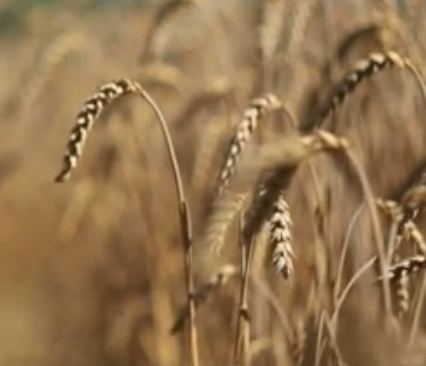
Industrial Production Process
Grain Selection. The production of rye flour begins with the selection of high-quality rye grains. The grains are carefully chosen to ensure they are mature and free from impurities.
Cleaning. The selected grains are then cleaned to remove dust, stones, and other residues. This process ensures that only clean grains proceed to the milling stage.
Soaking. The grains may be soaked to facilitate the removal of the outer hull and to prepare them for milling. Soaking also helps to improve the digestibility of the final flour.
Milling. The cleaned (and soaked) grains are milled to produce flour. Milling can be done with stone mills to preserve the nutritional value of the rye or with roller mills for a finer and more uniform grind.
Sifting. After milling, the flour is sifted to remove any coarse particles and to achieve a uniform consistency. Sifting also allows for the separation of rye flour into different granularities, from finer to coarser.
Commercial Applications.
Baking. Rye flour is commonly used in baking to produce a variety of bread, cakes, biscuits, and pastries. It adds a distinct flavor and texture to baked goods, contributing to their overall taste and appearance.
Food Industry. Rye flour is utilized in the food industry for various products, including crackers, cookies, and snack bars. Its unique flavor and nutritional properties make it a popular ingredient in both savory and sweet items.
Gluten-Free Products. Rye flour is often used in gluten-free baking as an alternative to wheat flour. When combined with other gluten-free flours, it can help create bread and baked goods suitable for individuals with gluten sensitivities or celiac disease.
Thickening Agent. Rye flour can be used as a thickening agent in soups, stews, and sauces, providing body and texture to dishes. Its nutty flavor can also enhance the overall taste of savory recipes.
Fermentation. Rye flour is commonly used in sourdough bread making to create the starter culture. The natural enzymes present in rye flour promote fermentation, resulting in a tangy flavor and airy texture in the final baked product.
Rye is a seedling belonging to the Poaceae family, mainly in Asia, it was imported to Europe where the largest producer is Russia, followed by Belarus and Germany.
Rich in fibers, acids and polyphenols useful to human health.
The total content of phenolic acids is among the highest compared to that of other cereals. The wheat bran contains 4,527 mg/kg and the rye 4,190 mg/kg. Avenanthramides , other phenolic compounds that have antioxidant properties, are present in good quantity. Alkenylresorcinols, also phenolic compounds, are present in rye bran with 4,108 mg/kg and in wheat with 3,225 mg/kg (1).

