



The history of barley (Hordeum vulgare), a plant belonging to the Poaceae family, is ancient and dates back 10,000 years.
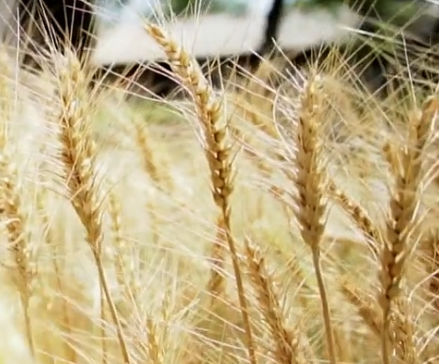
Barley has been used since its discovery as a food for humans and animals.
is among the most cultivated cereals in the world with 22.905 billion$ (1)
- rice 332.542 billion$
- corn 191.885 billion$
- wheat 168.444 billion$
More recently, some barley cultivars have been selected by brewers to obtain malt.
In barley there are functional ingredients interesting for human health such as beta-glucans, polysaccarids, the main components of the soluble part of dietary fiber. Their characteristic is to facilitate the regular function of the gastrointestinal tract, the homeostasis of glucose and the regulation of energy in the human body (2). They can prevent oncogenesis due to the protective effect against powerful genotoxic carcinogens (3).
But while a high beta-glucan content is positive for human health, the brewing industry that uses malt, needs a low concentration of beta-glucans as high levels can negatively affect malt filtration.
In addition, phenolic compounds found in barley, as well as producing an antioxidant effect in the human body, have probiotic and gastroprotective effects (4).
Another interesting aspect of the other ingredients present in barley concerns the effect that fermented barley extract produces on the colon mucosa. It has been noted that this extract can relieve constipation (5).
With regard to barley flour, the main characteristic concerning human health is the antioxidant property confirmed by numerous studies (6).
With "malted" processing, grains of many cereals, in this case barley, are germinated by their immersion into water. This procedure softens the outer casing of the seed and allows no sugar to be added to the infusion, enabling the enzymes to act on the seeds, converting the starch into sugars.
Then it goes to the drying phase and to their use.
Since it can not have a sugar-free fermentation, the malted barley flour will have less starch and a sweeter taste, just the taste of the malt.
It find countless applications in the food field in bakery products, weaning foods (7) and more.

