A group of experts (1), in 2011 presented a study that drew the guidelines of the so-called "Mediterranean Diet".
What did it consist of and why did it arouse so much interest ?
Let's start from a premise :
Many studies have focused on the problem of age-related diseases, including, in order of spread, cancer, cardiovascular disorders and Alzheimer's disease due to cognitive decline and have derived the belief that the Asian and Mediterranean populations that, by tradition, have always followed the Mediterranean Diet, lived longer and had a lower incidence of age-related diseases (2).
And let's see what the Mediterranean Diet consists of.

One of the most important components of this diet is olive oil because of its particular composition of vitamins, polyphenols and insaturated fatty acids,
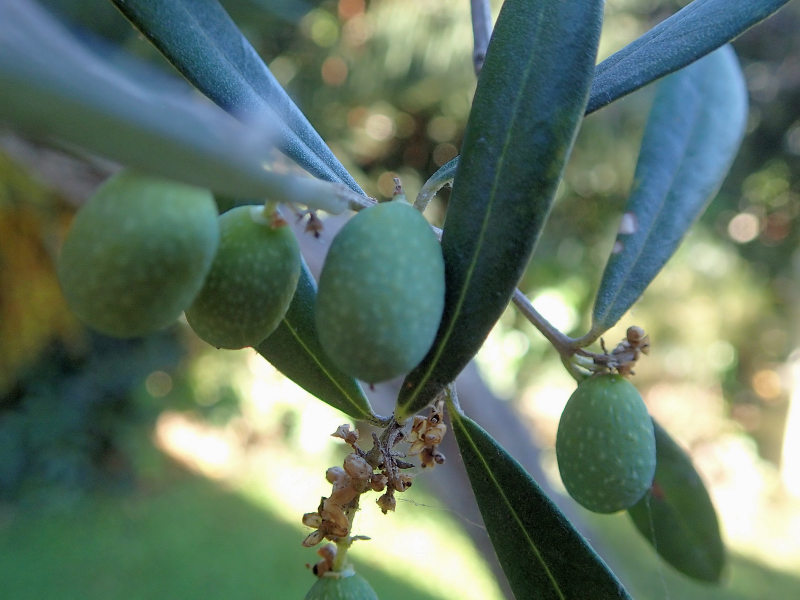
to name just three of the many healthy components of this oil. The other components are:
- a certain frugality
- conviviality
- physical activity
- adequate rest
- a diet that includes the intake of vegetables such as fruits, vegetables, legumes, cereals, nuts, seeds and, in particular, extra virgin olive oil as the main source of lipids and rich, as I mentioned before, polyphenols.
One of the main characteristics of vegetable polyphenols is their antioxidant, antimicrobial, vasodilator and antihypertensive capacity (3) on which a multitude of studies have investigated their characteristics.
In particular in the olive tree, polyphenols have antihepatoxic, hypoglycemic, anti-inflammatory, antitumor, antiviral and other properties (4).
It has been found that daily consumption of extra virgin olive oil reduces blood sugar and visfatine levels and improves metabolic control in overweight patients with type 2 diabetes mellitus (5).
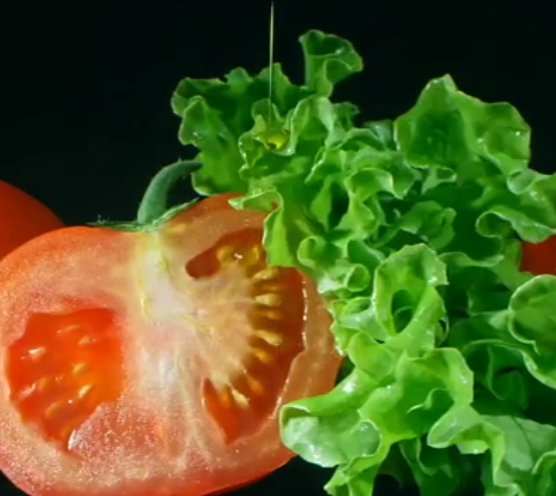
The extra virgin olive oil has countless applications and it is best to take it in the right quantity, preferably crude because all oils, and this is no different, change their organoleptic properties at high temperatures. However, even during cooking, this oil does not lose most of its antioxidant properties (6).
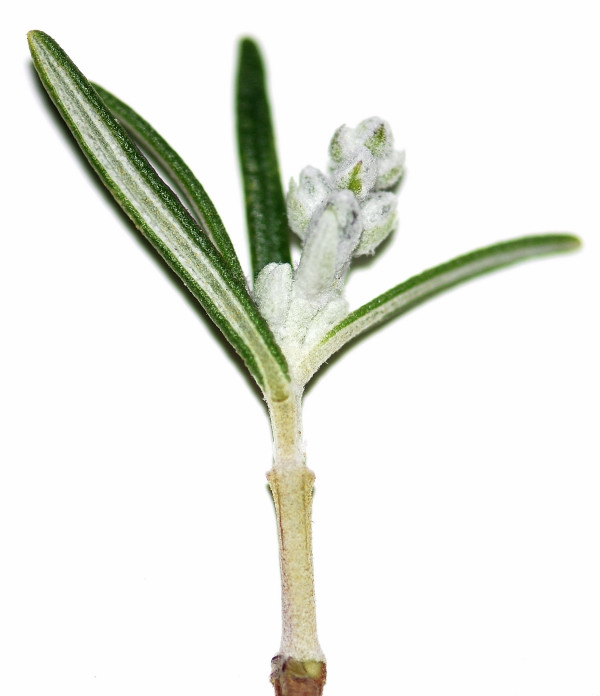
With regard to fried meat, some epidemiological studies have found an association between the intake of heterocyclic amines (they are carcinogenic/mutagenic compounds that are formed at low levels through the Maillard reaction and a mechanism of free radicals during the cooking of animal tissues) and the development of tumors. Extra virgin olive oil reduces the formation of these compounds when compared to refined olive oil, but the addition of rosemary extract can prevent this decrease (7).
What is the temperature above which the oil degrades ?
Does it degrade more with frying or microwave oven ?
Frying at 180° produces a significant decrease in antioxidant substances such as tocopherol and glycerides, while in the microwave oven heating the oil for 10 minutes caused only minor losses in polyphenols (8).