



Camellia japonica or Camellia, is a flowering shrub, a small tree native to Japan, Korea and China. It belongs to the Theaceae family and is known for its flowers, which appear from winter to spring.
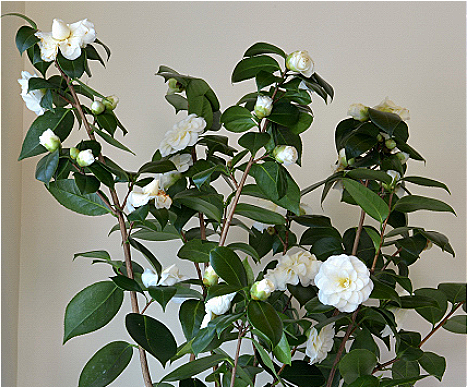
The beauty of Camellia japonica lies in its vibrant flowers and texture. The flowers, which appear from January to March, can vary in color from white to pink to red. They can be single, semi-double or double, depending on the variety.
The leaves are another strong point of the plant. They are glossy dark green and evergreen, which means the plant provides an interesting foliage feature year-round.
Camellia japonica seed oil, also known as tsubaki oil in Japan, is highly valued for its moisturizing properties. It is rich in fatty acids, including oleic acid, and contains vitamin E and polyphenols, which are powerful antioxidants. Tsubaki oil is used in a variety of skin care products, including creams, lotions, and soaps.
Cultivation of Camellia japonica requires some attention. The plant prefers acidic, well-drained soils and should be planted in a location where it is protected from hot, dry afternoon sun. Although it is a hardy plant, it can be susceptible to a number of diseases and pests, including camellia leaf spot, root rot and spider mites.
However, with proper care and attention, Camellia japonica can become a wonderful addition to the garden, offering beautiful winter and spring flowers and attractive foliage year-round.
Camellia japonica, commonly known as the Japanese camellia, is a flowering plant in the Theaceae family. Native to eastern and southern Asia, including Japan, China, and Korea, it is widely cultivated for its ornamental value. This evergreen shrub is celebrated for its beautiful, showy flowers that can be red, pink, or white.
Botanical Classification
- Kingdom: Plantae
- Order: Theales
- Family: Theaceae
- Genus: Camellia
- Species: Camellia japonica
Plant Characteristics
Camellia japonica is an evergreen shrub that can grow up to 4 meters (13 feet) in height. It features glossy, dark green leaves and produces large, single or double flowers in various colors, typically from winter to early spring. The plant is known for its attractive blooms and leathery foliage, making it a popular choice for gardens and landscapes.
Chemical Composition and Structure
The plant contains several bioactive compounds, including:
- Flavonoids: Such as catechins and quercetin, which have antioxidant and anti-inflammatory properties.
- Saponins: Compounds with potential immune-boosting and skin-conditioning effects.
- Triterpenes: Compounds that contribute to the plant’s therapeutic and cosmetic benefits.
How to Cultivate It
Camellia japonica prefers acidic, well-drained soil and partial to full shade. It is best grown in cooler climates, though it can tolerate a range of temperatures. Regular watering and mulching are recommended to maintain soil moisture and acidity. The plant should be protected from strong winds and extreme temperatures to prevent damage.
Uses and Benefits
Ornamental: Widely cultivated for its striking flowers and evergreen foliage, making it a popular choice for decorative purposes in gardens and landscapes.
Cosmetic: Extracts of Camellia japonica are used in skincare products for their moisturizing, anti-aging, and soothing properties. They are included in formulations such as creams, serums, and masks.
Medicinal: Traditional uses include treatments for various ailments, such as inflammation and skin conditions. The plant's extracts are also explored for their potential health benefits due to their antioxidant properties.
Applications
Ornamental: Used in garden design and landscaping for its aesthetic appeal and year-round greenery.
Cosmetic: Incorporated into skincare products to provide hydration, improve skin texture, and offer anti-aging benefits.
Medicinal: Research into the plant's extracts for potential therapeutic uses, including anti-inflammatory and antioxidant applications.
Environmental and Safety Considerations
Camellia japonica is generally safe for ornamental and cosmetic uses. It requires specific growing conditions to thrive, including appropriate soil acidity and shade. The plant should be managed to prevent invasive spreading and ensure it remains suitable for its environment.
Studies
Camellia species are considered in the scientific literature to be natural sources of antioxidant compounds and in particular with increased activity in flowers where a relevant presence of phenolic acids and flavonol glycosides has been noted (1).
As antibiotic resistance has become a worldwide problem, research tends to turn to natural sources, and many studies have evaluated the antimicrobial activity of Camellia japonica against Gram-negative and Gram-positive bacteria (2).

