



Violet (Viola spp. – family Violaceae)
Description
Violet refers to a group of herbaceous plants belonging to the genus Viola, which includes numerous wild and cultivated species distributed across temperate regions of Europe, Asia, and the Americas. Violets are valued both for their ornamental appeal and for selected food and traditional uses, particularly involving edible flowers.
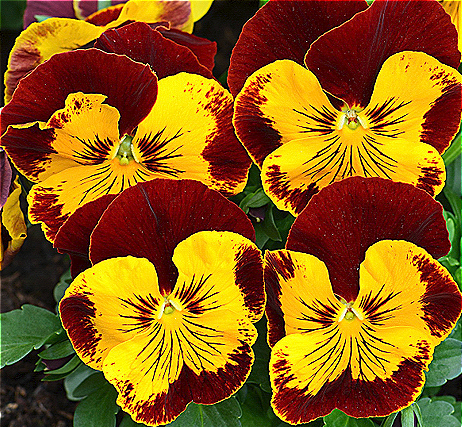
The plant generally has a low-growing habit, with simple, often heart-shaped leaves and solitary flowers composed of five petals. Flower colors vary widely, ranging from deep violet and blue to yellow, white, and bi-colored forms. Flowering typically occurs in spring, although some species may bloom at other times depending on environmental conditions.
From a nutritional and functional standpoint, violet flowers are consumed in small amounts but provide relevant bioactive compounds, including anthocyanins, flavonoids, and polyphenols, which are responsible for coloration and antioxidant activity. The flowers also contain modest levels of vitamins, particularly vitamin C and vitamin A in the form of carotenoids.
Violets are used as decorative ingredients in gastronomy, in confectionery, herbal infusions, and traditional preparations. Their role is mainly sensory and qualitative, contributing aesthetic value and minor nutritional benefits within a balanced diet.
Classification
| Level | Classification |
|---|---|
| Origin | Plant-based |
| Genus | Viola |
| Botanical family | Violaceae |
| Category | Herbaceous plant |
| Main use | Ornamental and edible |
Plant and raw material characteristics
| Aspect | Description |
|---|---|
| Plant type | Annual or perennial herb |
| Growth habit | Low-growing |
| Leaves | Simple, often heart-shaped |
| Flowers | Solitary, multi-colored |
| Used parts | Flowers (occasionally leaves) |
| Flowering period | Mainly spring |
| Form of use | Fresh or dried |
| Allergens | None known |
Indicative average nutritional values per 100 g
| Component | Average value |
|---|---|
| Energy | 45 kcal |
| Water | 85.0 g |
| Protein | 2.0 g |
| Carbohydrates | 7.0 g |
| of which sugars | 3.0 g |
| Dietary fiber | 2.5 g |
| Fat | 0.5 g |
| Vitamin C | 30 mg |
| Vitamin A (RAE) | 150 µg |
| Potassium | 200 mg |
Average indicative values referring to fresh violet flowers. Natural variability may occur depending on species and growing conditions.
Note on nutritional use of the bioactive compounds present
Violet flowers contain anthocyanins and flavonoids with antioxidant activity, contributing to cellular protection against oxidative stress. Vitamin C supports normal immune function, while carotenoids contribute to the micronutrient profile. Although used in small quantities, violets provide bioactive compounds that complement a varied and balanced diet, with a primary role linked to sensory and decorative applications.
Cultivation and growing conditions
Climate
Hardy or semi-hardy plant, depending on the species.
Prefers temperate and cool climates.
Optimal growth temperature: 10–20 °C.
Tolerates moderate cold; some species withstand light frosts.
Prolonged high temperatures negatively affect growth and flowering.
Exposure
Best grown in bright partial shade.
Tolerates direct sunlight only in the early morning or in cooler climates.
Excessive sun exposure may shorten the flowering period.
Soil
Prefers soft, well-drained soils with good organic matter content.
Ideal texture: loam or silty-loam.
Optimal pH: 6.0–7.0 (slightly acidic to neutral).
Avoid prolonged waterlogging.
Irrigation
Requires regular watering, keeping the soil consistently moist.
Avoid both prolonged drought and excess water.
Increase watering frequency in summer, especially in containers.
Apply water at soil level to reduce disease risk.
Fertilization
Before planting: incorporate well-matured compost or organic matter.
During growth: apply balanced fertilizers at low rates.
Excess nutrients promote vegetative growth at the expense of flower production.
Crop care
Regular removal of spent flowers to encourage continuous blooming.
Weed control to reduce competition for water and nutrients.
Ensure good air circulation to prevent fungal diseases.
Monitor for aphids, slugs, and snails, particularly in humid conditions.
Harvest
Flowers are harvested by hand when fully open.
Frequent harvesting helps extend the flowering season.
Leaves and flowers intended for culinary or herbal use must come from untreated plants.
Propagation
By seed, sown in spring or late summer depending on the species.
Germination is often slow and irregular.
By clump division in perennial species, carried out in autumn or late winter.
Vegetative propagation ensures uniform plants and faster establishment.
How to grow it
Suitable for open ground, borders, flowerbeds, and containers.
In pots, ensure effective drainage and a nutrient-rich substrate.
Well suited for ornamental, edible, and herbal uses.
Proper cultivation promotes abundant and long-lasting flowering.

