



Paeonia lactiflora Pallas belongs to the Paeoniaceae family and flowers in white to purple from May to June. The flowers can be up to 25 cm in diameter. Peoniaceae are herbaceous perennials that need little care and can withstand harsh winters.
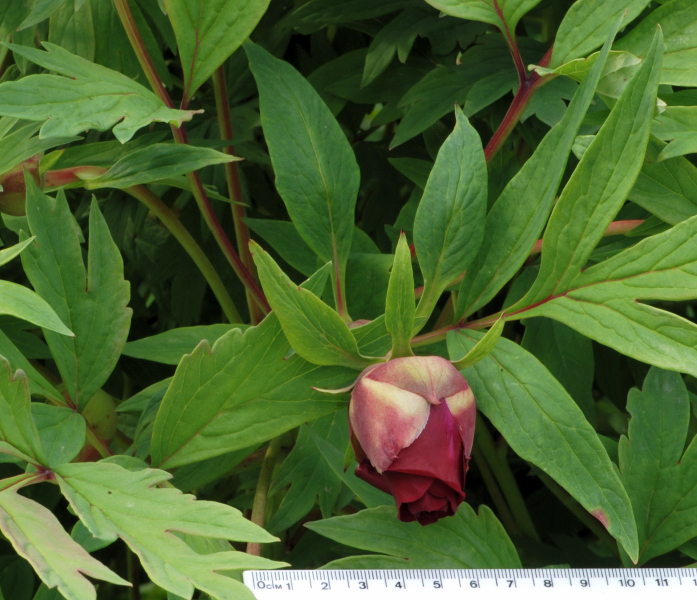
For the description, cultivation and traditions of this plant, see this study (1).
The root of this plant has been used for centuries in traditional Chinese medicine to treat pain, inflammation and immune disorders and its petals have a fair amount of flavonoids known to exert antioxidant and anti-inflammatory actions.
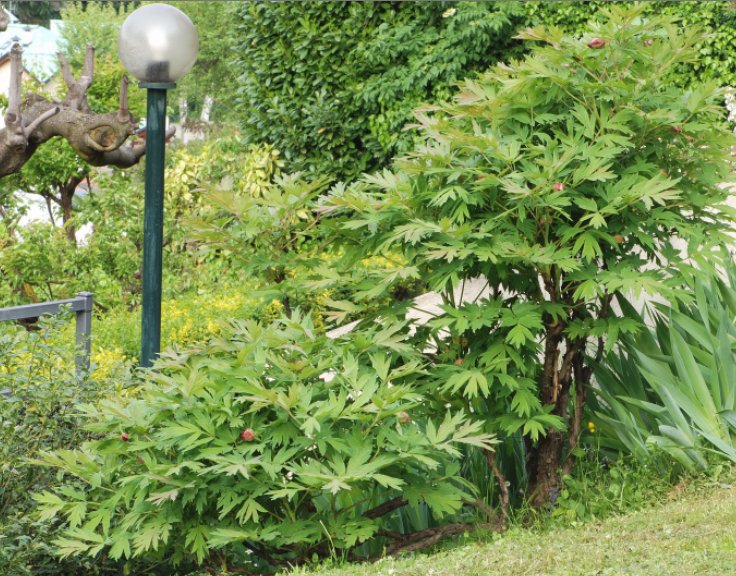
In recent times, many studies have focused on the chemical components of the Paeonia lactiflora root and have tested many of the therapeutic effects claimed by traditional medicine, confirming the effectiveness of this root in the treatment of autoimmune diseases such as rheumatoid arthritis, psoriasis, oral lichen planus and Sjogren's syndrome (2).
A number of glycosides (paeoniflorin, hydroxyl-paeoniflorin, paeonin, albiflorin, benzoylpaeoniflorin) are extracted from the dried root, which have properties, in decoction form, to improve pain, joint swelling, synovial hypertrophy, bone erosion and cartilage degradation in arthritis (3). China Food and Drug Administration authorised the use of these glycosides for the treatment of rheumatoid arthritis in 1998, as their curative effects had been established without significant adverse effects. In particular, the glycoside paeniflorin proved to be the main active component (4).
Research is continuing, and in 2020 a new glycoside was isolated from Paeonia lactiflora root ((+)-fragransin A_2-4-O-beta-D-glucopyranoside) with moderate inhibitory effects on nitric oxide production (5).

